

USAG-1 Protein: Structure, Functions, and Therapeutic Potential
USAG-1 protein, also known as ‘Uterine sensitization-associated gene-1,’ is part of a family of proteins known to inhibit signaling pathways.
USAG-1 Protein: Structure, Functions, and Therapeutic Potential
It plays a key regulatory role in various physiological and biological processes within the human body. USAG-1 is primarily recognized for its involvement in tissue growth regulation, embryonic development, and functions related to the nervous and reproductive systems.
Structural and Genetic Characteristics
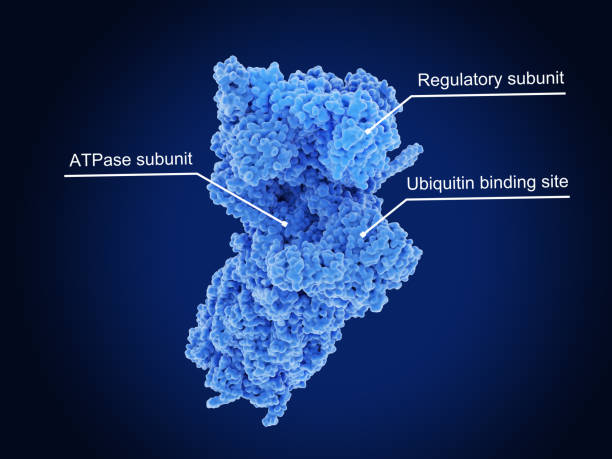
The USAG-1 protein is encoded by a gene of the same name, located on human chromosome 20. It consists of approximately 150 to 200 amino acids and contains a distinctive domain known as the ‘Wnt inhibitory factor’.
Structural and Genetic Characteristics
This domain enables it to interact with the Wnt signaling pathways, which are critical for cell growth, differentiation, embryonic development, and tissue regeneration.
Functions of USAG-1
- Regulation of the Wnt Pathway:
USAG-1 acts as an inhibitor of the Wnt signaling pathway, which is vital for the regulation of cell growth and differentiation. By inhibiting this pathway, USAG-1 helps maintain precise control over developmental and growth processes. - Role in the Reproductive System:
Studies have shown that USAG-1 plays an important role in the development of the uterus and ovaries. It is also believed to be involved in ovulation and pregnancy regulation. - Impact on Neural Tissues:
Research suggests that USAG-1 may have a role in the development of the central nervous system, particularly in neuronal cell formation and neural growth regulation. - Immune and Regenerative Functions:
There is evidence indicating that USAG-1 participates in tissue repair and regeneration, and may also influence immune responses.
Recent Studies and Research
In recent years, USAG-1 has garnered increasing attention for its potential use in treating chronic and degenerative diseases such as Alzheimer’s, kidney diseases, and cancer. Some studies indicate that altering the levels of this protein can significantly impact growth and regeneration pathways, making it a promising target for genetic or pharmaceutical therapies.
For example:
– In cancer research: USAG-1 has been investigated as a tumor growth inhibitor or as a co-factor to enhance the efficacy of existing treatments.
– In kidney diseases: Studies suggest that modulating USAG-1 levels may help improve kidney function and reduce damage caused by inflammation or fibrosis.
Challenges and Future Outlook
Despite the promising therapeutic potential of USAG-1, several challenges remain. A deeper understanding of its mechanisms is essential, as well as developing precise methods to regulate its levels without adversely affecting other vital bodily functions. Future advancements will require extensive clinical studies to evaluate the safety and efficacy of targeting this protein in various medical treatments.