

Porcelain Fused to Metal Crowns
Porcelain-fused-to-metal crowns can be considered an advanced medical innovation that combines the authenticity of porcelain used in crafting with the unique touches of medical expertise.
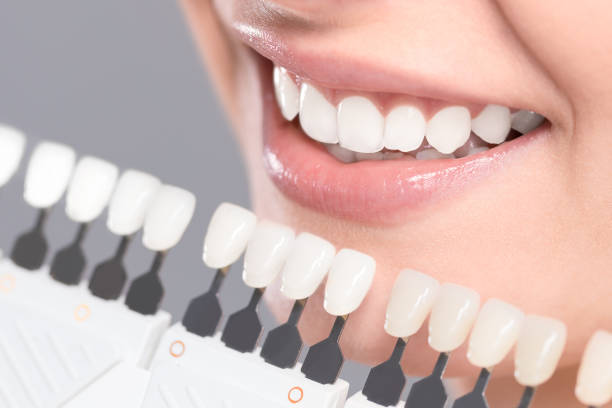
Porcelain Fused to Metal Crowns
On the other hand, an essential question arises whenever we want to experience such a treatment in the world of dentistry: What are the different types of dental crowns? And what distinguishes each type from the other?
In addition, while thinking of using crowns and benefiting from their aesthetic appearance, we must also know how long dental crowns last and what factors directly affect their durability.
Before concluding our article, we must understand what type of metal is used in ceramic crowns and whether the type of metal affects the outer appearance requested by the patient.
Follow along with this article to discover all the details and gain complete awareness of the entire process of dental crowns.
Porcelain Fused to Metal Crowns
Porcelain-fused-to-metal crowns are among the most well-known and in-demand dental crowns due to their long history and the trust they have gained from many dental patients.
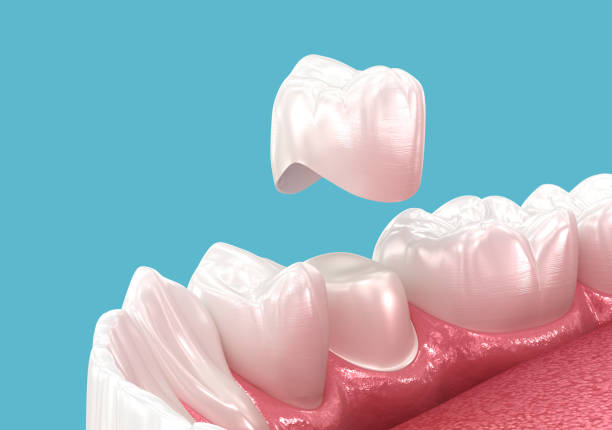
Porcelain Fused to Metal Crowns
This method combines the strength of its metal core with the beauty of its porcelain exterior, resulting in a distinguished outcome that appeals to everyone. Some of its most prominent advantages are:
- High strength, making them capable of withstanding the pressure caused by chewing.
- Aesthetic appearance, ideal for mimicking the color and shape of natural teeth.
- Suitable for restoring different types of teeth, both anterior and posterior.
- Affordable cost, considered economical compared to other crowns such as all-ceramic or zirconia.
Accordingly, porcelain-fused-to-metal crowns are not only a treatment option but also a medical touch that grants their owner a radiant smile with comfort and reassurance.
One day, while Samer was looking in the mirror, he noticed that one of his front teeth needed a crown.
After spending a long time researching and listening to the experiences of his friends who had dealt with dental problems, the inevitable decision was to choose Dent Turkey Center.
To his surprise, it was not an ordinary clinic. After visiting, he felt like he had found a second home—not just a place for dental treatments. This was reflected in their warm welcome and hospitality.
After the specialist examined his case and listened to his answers to a series of questions, he was finally able to determine what the tooth needed.
The treatment began with the first session, and to Samer’s amazement, there was no pain at all.
Not only that, Dent Turkey Center is equipped with advanced treatment techniques and state-of-the-art medical equipment, which reassured him that he was in safe hands.
He now strongly recommends anyone seeking dental treatment to contact Dent Turkey Center as soon as possible.
Carefully Selected Topics for You
- Porcelain-Fused-to-Metal Crowns
- What Are the Types of Dental Crowns?
- How Long Do Dental Crowns Last?
- What Metal Is Used in Ceramic Crowns?
What Are the Types of Dental Crowns?
Have you ever wondered what types of dental crowns exist?
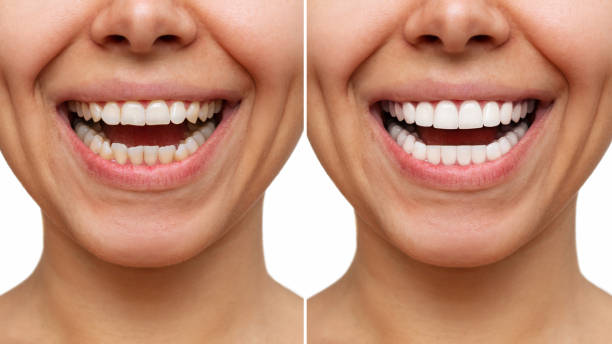
What Are the Types of Dental Crowns?
Crowns vary to meet different needs, and this variation is the result of differences in strength, appearance, and total cost.
Here too, the dentist becomes part of the selection process since they know what best suits the patient’s case, starting from the tooth’s location to the overall oral condition. Some of the most common types are:
- Porcelain-Fused-to-Metal (PFM) Crowns: Strong and durable against chewing forces, with good aesthetics.
- All-Ceramic Crowns: Made entirely of ceramic or porcelain, offering an ideal natural appearance.
- Zirconia Crowns: Known for their toughness and resistance to fracture, in addition to their natural color match.
- Gold and Precious Metal Crowns: Extremely durable and long-lasting, but not recommended for front teeth due to their appearance.
- Emax Crowns: Combine strength with aesthetics, making them a premium choice for teeth that show when laughing or smiling.
Choosing the type of crown is essential once you decide to undergo crown treatment, especially porcelain-fused-to-metal crowns that offer both strength and durability.
Dent Turkey Center – for a smile like no other in color and charm.
Why Do Hundreds of Patients Choose Us Every Year?
Our center is unlike any other. It has a specialized medical team offering continuous consultations throughout the treatment journey.
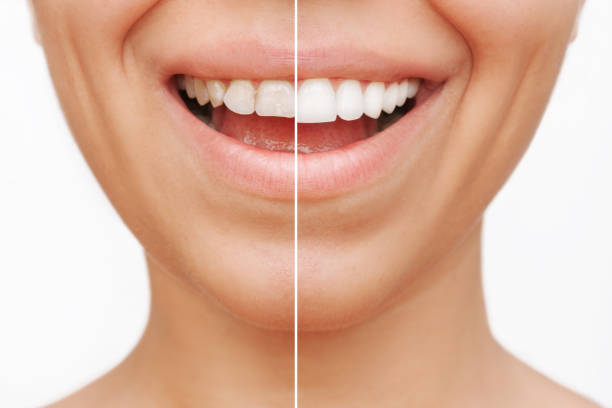
Why Do Hundreds of Patients Choose Us Every Year?
In addition, it features advanced and modern medical equipment that reduces different kinds of discomfort for patients.
How Long Do Dental Crowns Last?
To understand how long crowns last, we must first know that this depends on the quality of the materials and the expertise in placement. However, crowns can last for many years if properly cared for. Factors that affect crown longevity include:
- Type of material used: For example, zirconia and emax generally last longer than other types.
- Harmful habits: Such as teeth grinding or applying excessive pressure on teeth with hard objects.
- Oral hygiene: Regular cleaning helps prevent decay and gum disease around the crown.
- Regular dental visits: To detect any potential problems that could shorten the crown’s lifespan.
Table: Correct Practices to Preserve Crowns
| Correct Practice | Compliance Rate | Notes |
| Daily brushing and care for PFM crowns | 65% | Extends crown life and prevents plaque buildup |
| Avoiding biting hard foods | 55% | Reduces risk of cracks or fractures |
| Regular dental check-ups | 70% | Detects problems early |
| Regular flossing | 50% | Protects gums and prevents decay around the crown |
Without a doubt, porcelain-fused-to-metal crowns stand out with their durability and unique combination of internal strength and external beauty.
👉 If you want to achieve a radiant smile that captures attention, Dent Turkey Center is your best choice: 00905511201866
What Metal Is Used in Ceramic Crowns?
If we ask, what metal is used in ceramic crowns? the answer is that different metals are selected to match oral tissues and avoid side effects.
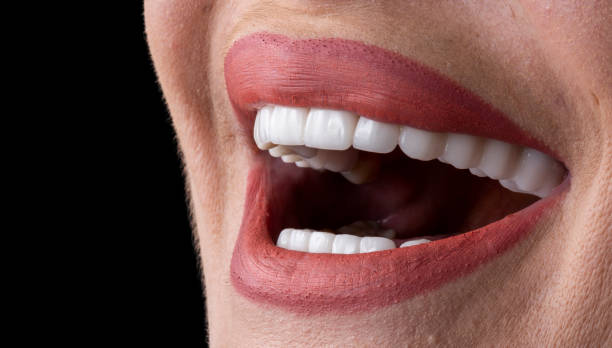
What Metal Is Used in Ceramic Crowns?
The most common metals include:
- Gold and Platinum: Offer excellent strength, corrosion resistance, and compatibility with gums.
- Palladium: Lightweight yet strong, providing durability without excess weight.
- Nickel-Chromium: One of the most common options due to its hardness and affordable cost.
- Cobalt-Chromium: Strong, long-lasting, and widely used in ceramic crowns.
Table: Usage Rates of Different Crown Types
| Crown Type | Usage Rate | Notes |
| Porcelain-Fused-to-Metal | 40% | Durable and combines aesthetics with strength |
| Zirconia Crowns | 30% | Extremely strong and natural-looking |
| Emax Crowns | 20% | Highly aesthetic, especially for front teeth |
| Gold Crowns | 10% | Highly durable and long-lasting |
Choosing the right metal for ceramic crowns is not just a choice but a necessity. It must be based on durability, strength, and the appearance desired by the patient.
Whether porcelain-fused-to-metal or emax, you can obtain the highest quality and artistry at Dent Turkey Center: 00905511201866
Frequently Asked Questions
Are porcelain-fused-to-metal crowns good?
Yes, they are a great choice for patients who want crowns that match the natural color of their teeth while still being able to withstand significant chewing forces.
How long do ceramic-metal crowns last?
Material is another factor. Porcelain or fused crowns last between 5 to 15 years, while all-metal crowns can last over 20 years.
Is it possible to get modern artistic solutions for dental problems?
Absolutely! By benefiting from the services of Dent Turkey Center. For inquiries, please contact us:
📞 00905511201866
Conclusion
In the end, porcelain-fused-to-metal crowns remain a balanced option, combining the strength of metal with the charm of porcelain, giving the patient a natural smile that does not lack durability.