

How Long Does the Pain Last After Dental Implants?
“How long does the pain last after dental implants?” This is a question that often comes to mind when considering replacing a missing tooth. In reality, it can become a significant psychological concern, especially for those undergoing the procedure for the first time.
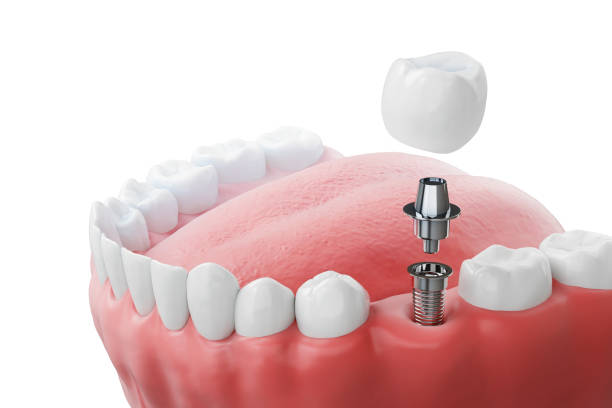
How Long Does the Pain Last After Dental Implants?
Pain after implantation is not unexpected; rather, it’s a natural result of a precise surgical intervention. Therefore, understanding its duration and causes can ease the anxiety and grant patients reassurance and confidence.
Regardless of the timing of the tooth extraction, many people wonder: Can dental implants be placed years after extraction? On the other hand, others fear the drawbacks of immediate dental implants, and some are curious about the ideal timing, asking: How long should one wait before placing a dental bridge after extraction? Some patients express concerns like: “I feel a strange sensation after getting dental implants,” or ask: “Is it possible to reattach a molar after it has been extracted?”
To provide clear and comprehensive answers based on modern dental knowledge, we will explore these key topics in depth, highlighting crucial details and potential risks — all with the goal of helping you make an informed and confident decision.
How Long Does the Pain Last After Dental Implants?
As mentioned, this is one of the most frequently asked questions. Typically, pain lasts between three to seven days, and remains within normal limits during this period. It’s worth noting that mild discomfort or swelling may occur during the first couple of days but gradually improves with the use of painkillers.
Can Dental Implants Be Placed Years After Extraction?
If you are wondering whether dental implants can be placed years after tooth loss, the answer is: yes, but with conditions. Delayed implantation can affect the success rate and potentially increase post-operative discomfort.
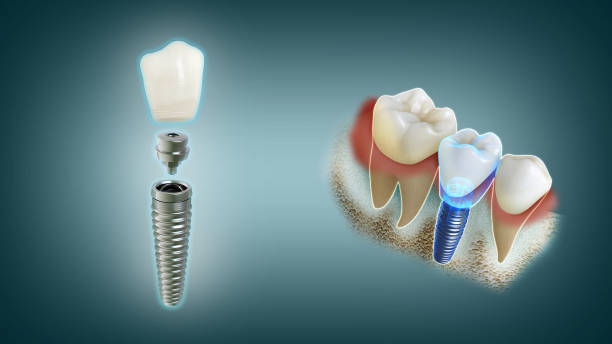
Can Dental Implants Be Placed Years After Extraction?
Another essential question arises: What is the connection between dental problems and neck or back pain?
Surprisingly, what may seem like mere neck stiffness or back muscle fatigue could actually stem from hidden oral issues. The connection between your teeth and spinal health might not be visible in X-rays, but it can certainly be felt in every movement.
Here’s how:
- Malocclusion — or an imbalanced bite — creates constant tension in the jaw muscles, which directly affects the neck due to shared nerve pathways.
- Bruxism (teeth grinding) — especially during sleep — sends chronic stress signals that radiate toward the upper back and base of the skull, often resulting in morning headaches.
- Tooth loss forces your neck muscles to adapt and compensate, altering your posture and leading to chronic spinal strain.
- Incorrect dental work like poorly adjusted crowns or braces can trigger widespread musculoskeletal discomfort.
Summary Table: Impact of Dental Imbalances on Neck and Back Muscles
| Symptoms | Neck & Back Effects | Jaw Muscle Effects | Type of Imbalance |
| Jaw pain, headache, neck stiffness | Chronic spinal strain | Persistent jaw muscle tension | Malocclusion |
| Morning headaches, general fatigue | Shoulder and back muscle tension | Jaw clenching during sleep | Nighttime bruxism |
| Chronic neck pain, slight body tilt | Uneven spinal stress | Altered chewing patterns | Tooth loss |
| Jaw discomfort, restricted neck movement | Back muscle tightness | Imbalanced bite force | Faulty braces or crowns |
Drawbacks of Immediate Dental Implants
When discussing the disadvantages of immediate implants, it’s vital to connect back to the main concern: How long does the pain last after dental implants? One of the risks of immediate placement is increased inflammation and post-operative pain if not performed with precision.
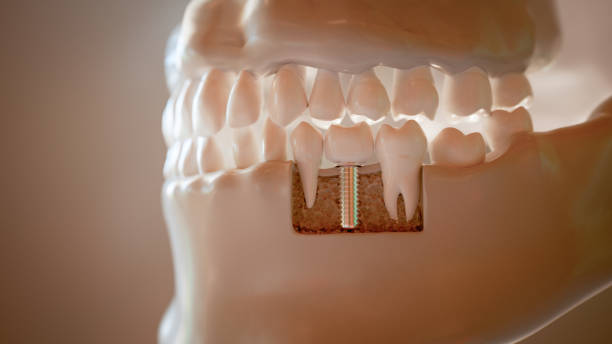
Drawbacks of Immediate Dental Implants
But another curious issue comes to mind: How does orthodontic treatment affect speech?
Initially, wearing braces may lead to:
- Difficulty pronouncing letters like S, Z, and T — especially with internal or clear aligners — because the tongue needs to adapt to new spatial limits.
- Stiffness in lip movement, due to pressure from brackets or wires.
- Temporary speech changes, which usually improve within days through slow, deliberate speaking and vocal exercises.
- Effective strategies, such as reading aloud or recording your voice, can greatly accelerate speech adjustment.
Table: Letters Most Affected After Getting Braces
| Common Observations | Cause | Affected Sound |
| Whistling or distortion | Tongue contacts misaligned front teeth | S (Seen) |
| Blocked or unclear sound | Airflow disruption due to braces | Z (Zay) |
| Blurred or heavy pronunciation | Tongue-to-lower-teeth pressure is disturbed | Ṣ (Saad) |
| No proper vibration | Loss of tongue-palate coordination | R (Raa) |
| Excessive softness or unclear articulation | Reduced tongue-to-teeth contact | L (Laam) |
How Long Should You Wait Before Getting a Bridge?
When thinking about how long to wait before getting a dental bridge, timing is key. It’s closely related to the main question: How long does the pain last after dental implants? The sooner a proper restoration is placed, the fewer complications and pain the patient will endure.

How Long Should You Wait Before Getting a Bridge?
In today’s world of smart technologies, even toothbrushes are getting smarter. But do smart toothbrushes really live up to the hype?
Here’s what makes them stand out:
- Equipped with pressure sensors, they prevent gum damage by alerting you if you’re brushing too hard.
- Paired with mobile apps, they track your brushing time and highlight missed spots on a visual map.
- Some models remind you to change brush heads on time and maintain a brushing history.
- Despite the higher price, they offer unparalleled awareness and monitoring — ideal for those prone to gum diseases.
Feeling Strange After Dental Implants
Some patients report a strange sensation after dental implants. This may not be pain per se, but more of a foreign-body awareness.
Interestingly, recent research explores a link between tooth loss and cognitive decline. Could the number of teeth you have affect your memory?
Here’s what science says:
- People who lose many teeth — especially in midlife — show greater risk of cognitive impairment.
- Chewing activates blood flow to the brain, especially in areas responsible for short-term memory.
- Poor oral health may be a hidden contributor to early forgetfulness.
- Taking care of your teeth is not just about looks — it’s about protecting your brain, too.
Is It Possible to Reattach a Tooth After Extraction?
In relation to the main question — How long does the pain last after dental implants? — many also wonder: Can a tooth be reattached after extraction?
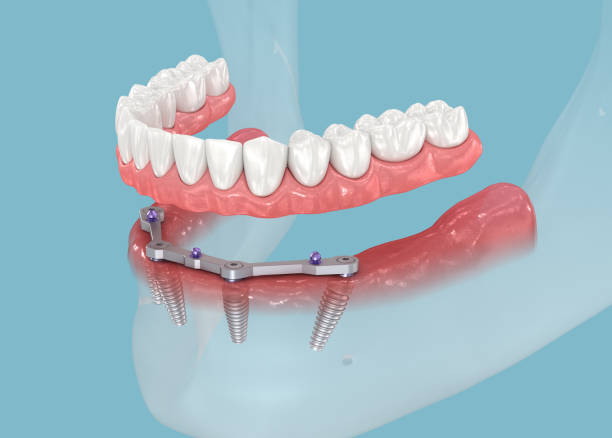
Is It Possible to Reattach a Tooth After Extraction?
While full reattachment isn’t feasible, there are advanced prosthetic solutions to restore function and aesthetics.
However, let’s also bust some common myths about oral health:
- “Flossing widens gaps between teeth” — False! Flossing prevents gum disease and keeps gaps from forming.
- “Pregnancy weakens teeth” — Misleading. It’s not the pregnancy, but hormonal shifts and poor nutrition that affect dental health.
- “No pain, no need for a dentist” — Dangerous! Many oral diseases are silent until it’s too late.
- “Teeth whitening damages enamel” — Incorrect if done professionally. In fact, medical whitening is controlled and safe.
Platelet-Rich Plasma (PRP) for Gum Health
If you’ve noticed your gums bleed easily or feel thinner, or your teeth seem less stable, chronic gum disease might be the culprit. Thankfully, PRP injections in the gums are emerging as a modern treatment to regenerate soft tissue and restore firmness.
How PRP Works:
- Platelet-rich plasma is extracted from the patient’s blood and activated in a lab.
- The plasma is injected into affected gum areas, stimulating fibroblast activity to produce collagen and elastin.
- PRP reduces inflammation and bleeding, promoting healing.
- Most importantly, it stabilizes loose teeth and can prevent further tooth loss.
Table: PRP Treatment Timeline
| Stage | Duration | Purpose |
| Clinical Examination | 15–30 min | Assess gum recession and inflammation |
| Blood Draw & PRP Prep | 10–20 min | Obtain and activate PRP |
| Injection | ~15 min | Begin cellular regeneration |
| Initial Follow-Up | First 48 hrs | Monitor reactions, manage pain |
| Final Evaluation | 2–4 weeks | Measure progress and plan next steps |
Real Patient Experience – Dant Turki Center
“My name is Layla, I’m 36. I lost a front tooth in an accident, and it made me feel deeply self-conscious. I was terrified of dental implants due to the pain people talk about.

Real Patient Experience – Dant Turki Center
I finally visited Dant Turki Center. From the first consultation, I felt at ease. The doctor explained everything and reassured me.
The surgery lasted less than an hour. I had moderate pain the first day, but with the prescribed medication, it was bearable. Swelling was minimal. By the third day, I was almost pain-free and back to normal.
A week later, during my checkup, everything looked great. I never experienced severe pain — just minor discomfort.
Now my smile is fully restored, and I feel confident again. I truly thank the team at Dant Turki Center for their care and professionalism. I highly recommend them.”
Frequently Asked Questions
- Is dental implantation painful?
Not really. It’s done under local anesthesia and is relatively comfortable. - Can a tooth be implanted immediately after extraction?
Yes, in suitable cases, immediate implantation is possible. - Are there qualified centers in Turkey offering comprehensive dental implant programs?
Yes, notably Dant Turki Center, which provides exceptional educational and treatment services.
Final Thought
As seen throughout this article, the central question — How long does the pain last after dental implants? — leads to broader insights on dental timing, procedures, sensations, and related health effects. Always remember: pain is not the end of the road — it’s the beginning of a smile you truly deserve.